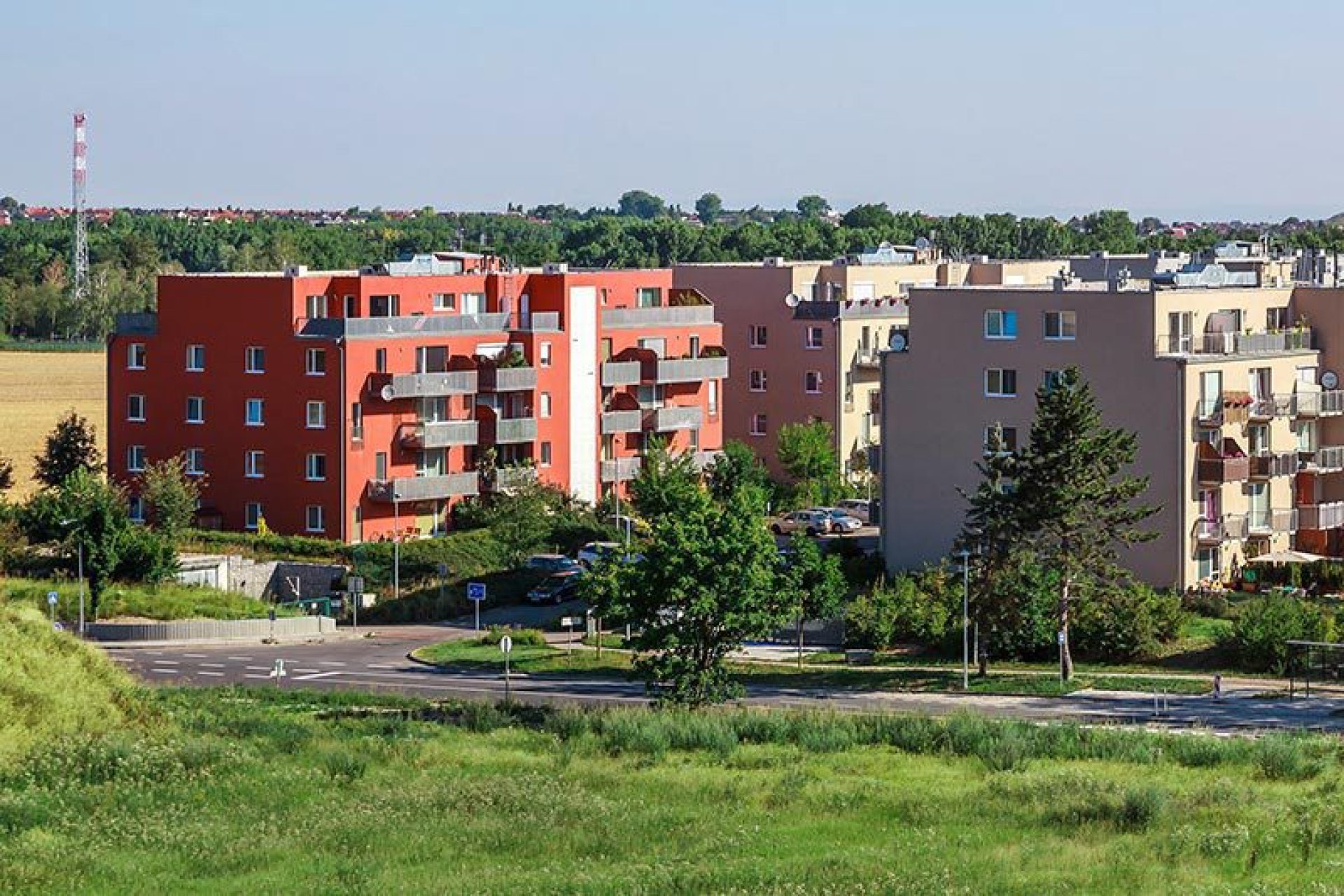
Buying a New Build Off-Plan: Advantages, Prices and Risks
Buying a new-build flat off-plan can mean a lower price and a wider choice, but the buyer bears the risk of delay, change or non-completion. This article explains what to check before signing.
Buying a new build off-plan can bring a lower price and a wider choice of flats, but the buyer bears the risk that the project will be delayed, changed or never completed. It pays off when you check the developer, the permits, the contract terms and the method of payment in advance. A lower price is not in itself a reason to buy if you do not know what you will actually get for it.
What off-plan buying is and how it differs from buying a finished flat
In an off-plan sale, the developer offers flats while the building is still unfinished. Sometimes construction is only being prepared, and sometimes it is already under way but final approval is a long way off. You buy on the basis of the project documentation, visualisations, floor plans and a description of the standard of finish. You cannot view the specific flat, and sometimes you cannot even tell what the view will be like or how much light the flat will get.
With a finished flat you see the result, you can inspect the workmanship and you can arrange the handover almost immediately. With an off-plan purchase you rely on reality matching the contract. That is why the legal side carries much more weight throughout the process than when buying a completed flat.
You will find basic guidance on the whole procedure in our guide to buying a new build.
Advantages of buying off-plan
- Lower price. A developer often offers the first flats on more favourable terms than later ones, because it needs to demonstrate interest in the project and to finance construction. The size of any discount differs from project to project, and there may be none at all.
- Wider choice. You can choose the floor, orientation, layout and size before others buy them.
- Option to make changes. Some developers allow changes to partition walls, utility routes or surfaces if you decide in good time. The scope of the changes and their price must be put in writing.
- Spread-out payments. Payments are usually tied to construction stages, so you do not need the whole amount at once. However, this does not apply automatically and the terms vary.
- Time to arrange financing. Until construction is complete, you can arrange a mortgage, sell your current home or save up your own funds.
Risks of buying on paper
The lower price is the reward for waiting and for bearing part of the uncertainty. The most common risks are these:
- Construction delays. The completion date is usually only indicative. A delay can affect your financing, the end of your tenancy or the sale of your current flat.
- Changes to the project. The layout, floor area, materials or fittings may change during construction. What matters is what the contract allows the developer to alter without your consent.
- The developer's financial problems. If the developer does not complete the building, the money you have paid may be at risk. Protection of payments must therefore be dealt with in the contract.
- Differences between the visualisation and reality. Surrounding development, noise, shade or traffic may differ from the impression given by the brochure.
- Additional costs. Surcharges for upgraded finishes, parking spaces, a cellar or changes to the layout can raise the total price significantly.
- Changes in financing conditions. Between reservation and completion, interest rates and the bank's attitude to the loan may change.
What to check before signing
The developer and the project
Find out what other projects the developer has completed, how they were handed over and how complaints were handled. You can verify references with existing owners. You will find information about companies and their projects in the overview of developers, and specific offers in the catalogue of projects.
Also check whether the project has a final and binding building permit, who owns the land and whether it is subject to liens or other restrictions. All of this can be found in public registers, and a lawyer can help you with it.
Contract documentation
It usually begins with a reservation agreement, followed by a contract for a future contract or another form of commitment. The most important points are:
- an exact description of the flat, its floor area and its accessories,
- a binding date for completion and handover, and the consequences of missing it,
- the standard of finish stated in an annex, not just in the brochure,
- the conditions for withdrawing from the contract and for refunding the sums paid,
- the way your payments are secured,
- the rules for changing the price and floor area after completion.
The contracts should be read before signing by a lawyer with experience in property. The cost of a legal review is small compared with the value of the flat.
Method of payment
Ask where the money will be sent and under what conditions it will be released. Escrow with a lawyer or notary, or payments tied to the progress of construction, are often used. Avoid any arrangement in which you pay a large part of the price in advance without any security.
Mortgage and budget for an off-plan purchase
Banks approach the financing of flats under construction in their own ways. Some require proof of a building permit, while others handle drawdown in stages. The terms change, so it is best to discuss them with a mortgage specialist before the reservation rather than after it.
Also allow for costs beyond the purchase price: furnishings, a kitchen, removals, fees connected with the loan, and any surcharges payable to the developer. You can get an approximate idea of the repayments in our calculator, but always verify the final parameters with the bank or an adviser. Keep a reserve for a possible delay, when you would be paying rent or paying for two homes at the same time.
When buying off-plan pays off and when it is better to wait
Buying off-plan makes sense if you have time, a financial reserve and a developer who has been checked. It will be most valued by those who want a particular layout or floor and have a stable income regardless of the handover date.
Be more cautious if you need a home by a fixed date, have no financial cushion, or are dealing with a new developer without a verifiable track record. In that case it may be better to buy a finished or nearly finished flat, even at a higher price. You can compare locations and the available offer in the overview of locations. If you are not sure how to proceed, you can use the housing inquiry form and have an offer prepared according to your requirements.
Frequently asked questions
Is a flat bought off-plan always cheaper?
No. A lower price is common, but it is not the rule. Compare the price per square metre, the scope of the standard of finish and the surcharges with similar projects in the area.
Can I withdraw from the contract if construction is delayed?
It depends on the wording of the contract. That is exactly why it is important to check the conditions for withdrawal and the refund of payments with a lawyer before signing.
Should I arrange the mortgage before the reservation or after it?
Preferably before. A mortgage specialist will tell you whether the bank finances flats under construction and how much you will be able to borrow, so you will not pay a reservation for a flat you cannot get.
Prices are in Czech crowns (CZK) as published by developers; please verify current availability with us. Some linked pages (calculator, developer profiles) are only in Czech.
Find a new build within your budget
See the results right away, no contact details needed.
Looking for a new-build home in the Czech Republic?
Tell us what you are looking for. A specialist will send you a personal selection of projects within 24 hours, check current availability with the developer and arrange viewings. Free and without obligation.