New Build or Older Flat? Comparing Costs and Risks
There is no clearly better choice between a new build and an older flat: it depends on your budget, timeline and willingness to take on risk. This article compares costs, running expenses and the main risks of each.
There is no single better choice. A new build usually means lower running costs and fewer surprises with the technical condition, but you have to wait for completion and keep a close eye on the contract terms. An older flat can often be bought and used quickly, in an established location, but you need to allow for repairs and the real condition of the building. The decision depends on your budget, your time horizon and how willing you are to deal with risks.
What to include in the costs
When comparing, do not look only at the price per square metre. The total cost is made up of several parts:
- Purchase price – for a new build it tends to be higher per square metre, but it often includes new installations, windows and good insulation.
- Additional costs when buying – taxes, fees, legal services and an agent's commission. Check their current amounts, and who pays them, with a lawyer or a mortgage specialist, because they may differ between a new build and an older flat.
- Costs of making the flat ready to use – for an older flat, a renovation; for a new build, usually floors, a kitchen and furnishings.
- Running costs – energy, the building repair fund and building management.
You can work out an approximate monthly repayment in the calculator. Always discuss the specific loan terms with a mortgage specialist, because banks assess new builds and older flats differently, especially when valuing the property.
Running costs and energy performance
New builds are constructed to current thermal insulation requirements and often have efficient heating, heat recovery ventilation or a heat pump. The result is usually lower energy bills. Older flats in panel or brick buildings may use more energy, particularly if the building has not been insulated and the windows have not been replaced.
In an older building, ask what has already been renovated jointly: the facade, roof, risers, lift and utility installations. For a new build, find out which heating and hot water system the building uses and roughly how much it costs to run.
Risks of a new build
- Construction delays – the handover date may slip. Find out what the contractual consequences are and whether you have the option to withdraw.
- Developer financing – check how your deposit or payment is secured (for example, by escrow). Have a lawyer review the contract.
- Defects after handover – minor and larger defects are common. When taking over the flat, draw up a protocol listing all defects and check how the complaints procedure works.
- Surroundings at the time of purchase – neighbouring land, transport links and local amenities may not be finished yet.
The overview of developers and their completed and planned projects can help. You can find the general steps of buying in the buying guide.
Risks of an older flat
- Hidden technical condition – old water, electrical and gas installations, damp, structural problems. Consider an inspection by an expert.
- Condition of the building's common areas – a low repair fund may mean future extraordinary payments or higher contributions.
- Legal status – easements, liens, and unresolved disputes within the owners' association or the cooperative. Before signing, have the property register extract (list vlastnictví) and related documents checked.
- Costly renovation – budgets and timelines often overrun. Allow for a reserve.
Comparison at a glance
| Aspect | New build | Older flat |
|---|---|---|
| Purchase cost | Usually higher per square metre | Often lower, but renovation adds to it |
| Running costs | Usually lower | Depends on the condition of the building |
| Technical condition | New, under warranty | Thorough inspection needed |
| Availability | Waiting for completion | Quick move-in |
| Location | Often city outskirts and new districts | Established local amenities |
| Layout | Modern, often with scope for adjustments | Set by the building, limited alterations |
How to decide
- Set your total budget, including additional costs and a reserve.
- Decide how long you can wait before moving in.
- Compare specific offers in both categories, not averages.
- Choose a location based on commuting and nearby services; the overview of locations can help.
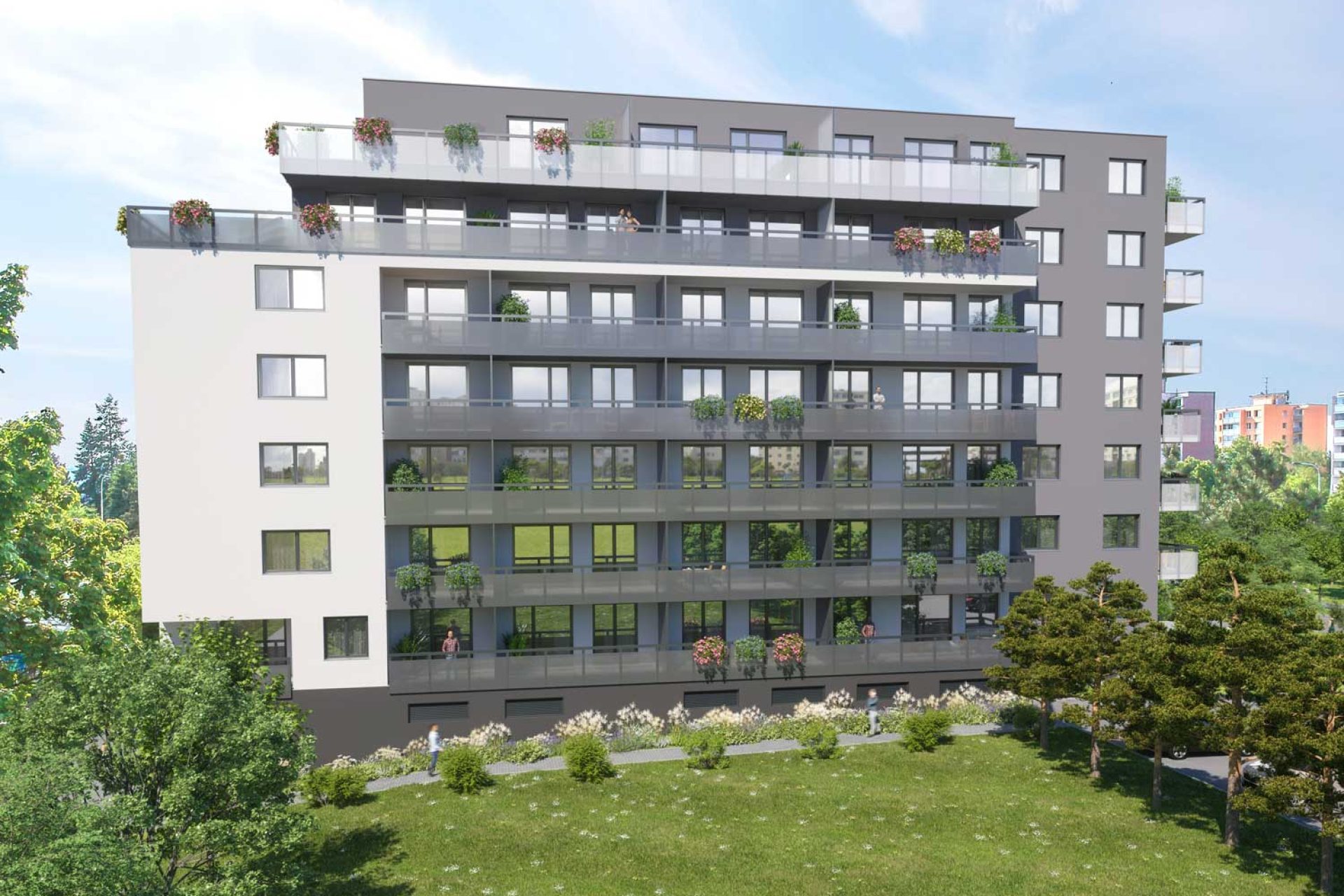
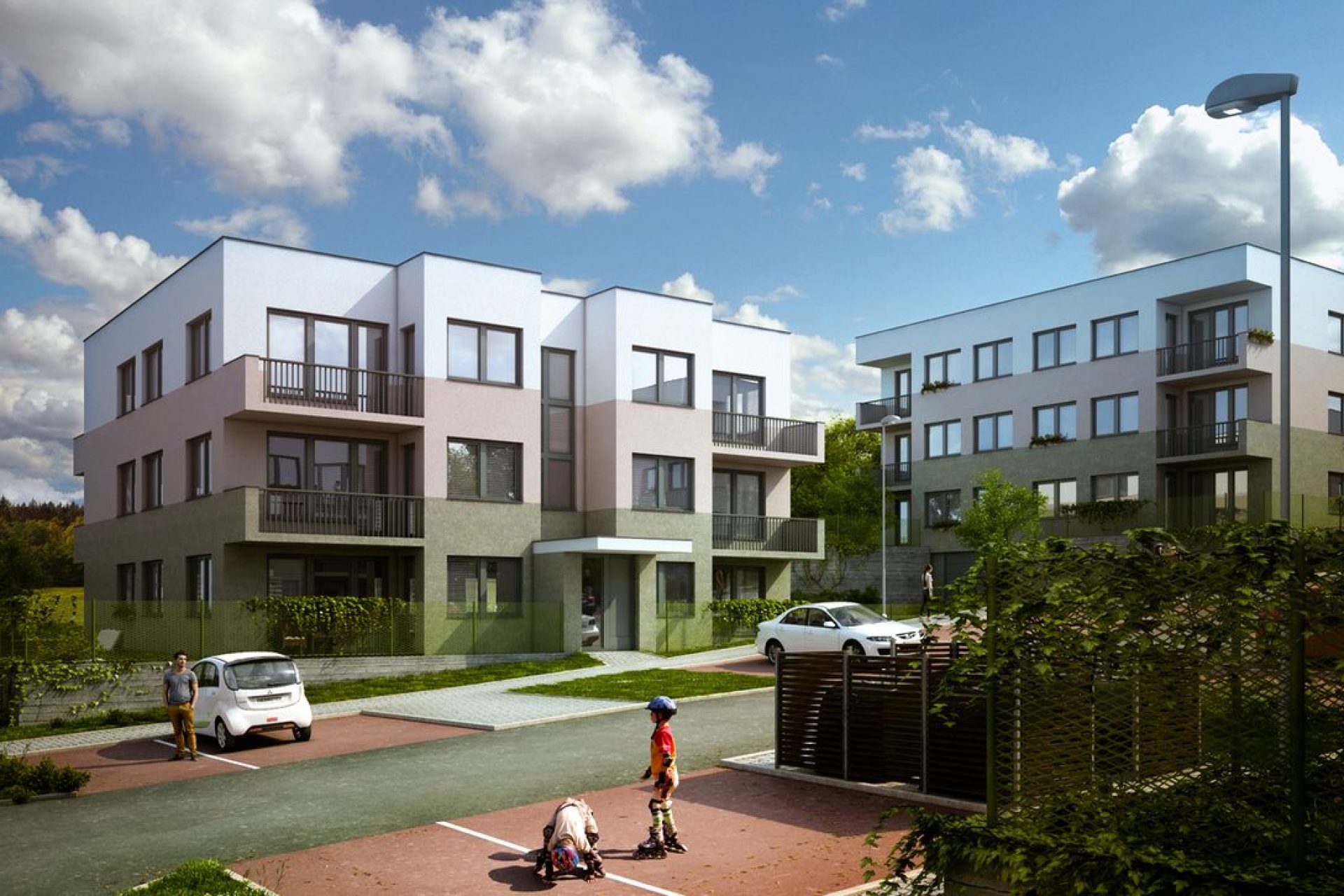
- Browse the offer in the project catalogue and be careful about the difference between a visualisation and the actual state.
- Have the contract and the financing assessed by an expert.
If you are unsure, you can use the housing enquiry and have offers prepared that match your requirements.
Frequently asked questions
Is a new build always more expensive than an older flat?
Per square metre, it usually is. But include the renovation and running costs of the older flat in the overall comparison, and the difference may narrow.
Can you get a mortgage for a new build in the same way as for an older flat?
The principle is similar, but the procedure differs, for example for financing a flat before completion and for valuation. Check the current terms with a mortgage specialist.
Is it necessary to have an older flat inspected by an expert?
It is sensible, especially for flats awaiting renovation or where you suspect damp or problems with the installations. An inspection can reveal costs that are not visible in the asking price.
Project and developer pages on this site are in Czech. Prices are in Czech crowns (CZK) as published by developers; please verify current availability with us.
Looking for a new-build home in the Czech Republic?
Tell us what you are looking for. A specialist will send you a personal selection of projects within 24 hours, check current availability with the developer and arrange viewings. Free and without obligation.