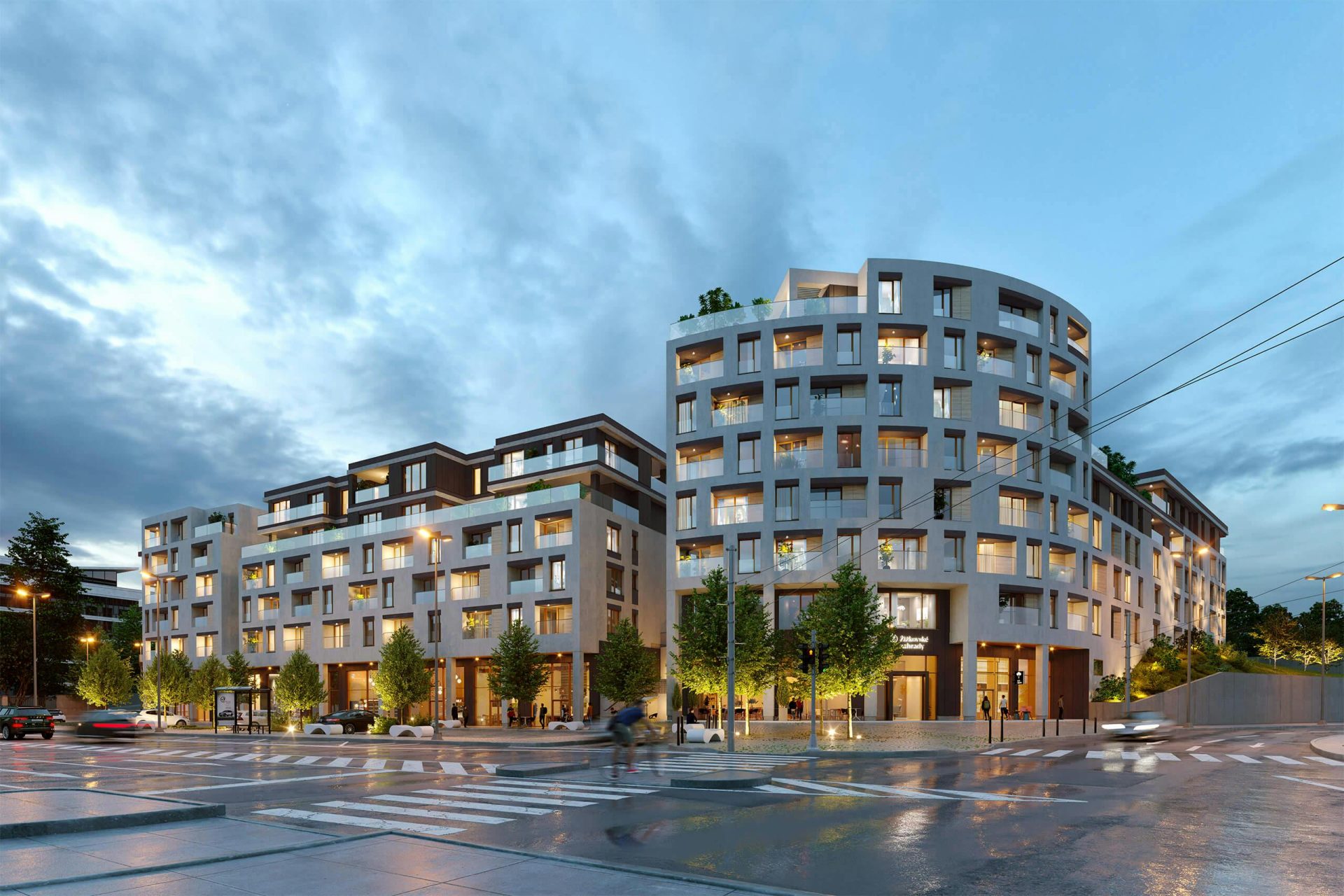
Mortgage on a flat under construction: drawdown and fixed-rate periods
A mortgage on a flat under construction differs from one for a completed property in how funds are released: banks pay out money in stages as construction progresses, not all at once. Interest is calculated only on the amount already drawn down, with principal repayment often starting only after com
A mortgage on a flat under construction differs from a mortgage on a completed flat mainly in that the bank does not pay the money all at once, but in stages according to the progress of construction and the terms of the contract. Interest is usually charged only on the amount already drawn down, and principal repayment often begins only after completion. When choosing your fixed-rate period, take into account when the full payment will actually be needed.
What makes a mortgage for a new-build different
With a completed flat, the purchase price is typically paid all at once and the bank releases your mortgage when ownership is transferred. With a flat under construction it's different. The developer usually divides the payment into several parts, and the bank structures the drawdown to match either a promise-to-sell contract, a preliminary contract, or a direct purchase agreement with a payment schedule.
There's also a difference in how the mortgage is secured. The flat doesn't yet physically exist and may not be registered as a separate unit in the property register. Banks therefore arrange temporary security, perhaps using a method other than a mortgage over the flat itself, and then transfer the charge to the flat once it's completed and registered. The specific procedure varies between banks, so verify it at the outset.
How drawdown works
Drawdown is usually divided into several payments. Part is paid when signing the reservation contract or preliminary agreement, further payments when specified construction milestones are reached, and the remainder on completion or handover of the flat. The exact schedule is set out in the developer agreement and must be approved by the bank.
- Own funds upfront. The reservation fee and initial payments often must be paid from your own money before the bank starts to disburse. Factor this in when planning your reserves.
- Conditions for releasing funds. The bank may require proof of construction progress, such as confirmation from the developer or a technical inspector's report.
- Drawdown deadline. The mortgage usually must be drawn down within a set period. If construction is delayed, you need to request an extension in good time.
Before signing the developer agreement, have the payment schedule reviewed by a solicitor. The key thing to check is how your deposits are protected if construction halts or the developer fails to deliver on time.
Interest during construction
Interest is usually calculated on the amount the bank has actually drawn down, not on the entire approved mortgage. At the start of construction your monthly payments are therefore lower and gradually increase as further amounts are drawn. Often during this period you pay interest only, with principal repayment starting later.
This has practical implications:
- During construction you pay interest on the mortgage, and often at the same time your current rent or payments on another loan. Your budget must account for this.
- A longer construction period means more months of interest payments whilst you don't yet have use of the flat.
- Some banks charge a fee for the undrawn portion or for delays in drawdown. Ask whether they do this and on what terms.
You can work out indicative payments after completion using our mortgage calculator. Treat the result as a rough guide; your mortgage specialist will prepare a specific offer.
Fixed-rate period: when it starts and how to choose
A fixed-rate period is when your interest rate doesn't change. It's important to establish when the fixed rate starts. With a new-build mortgage this could be from the contract signature, the first drawdown, or only after drawdown is complete. If it starts earlier, part of the fixed period is 'used up' during construction, when you're not yet making full payments.
When choosing the length of your fixed-rate period, consider:
- Construction period. The longer the construction, the more it matters when the rate is fixed.
- Budget resilience. If a higher payment after the fixed period would strain your budget, a longer fixed period with predictable payments suits you better.
- Future plans. If you're planning overpayments or to sell the flat, check the terms for early repayment during and after the fixed period.
When comparing offers, look not just at the rate but also fees, drawdown conditions and rules for changing fixed periods. A mortgage specialist can compare several banks and highlight differences in the contract terms.
What to prepare before signing
- Find out what the bank requires for new-builds. Requirements for the developer, project and documentation differ. Not every bank finances every project.
- Check out the developer. You can find an overview in our developers section; supplement this with your own checks on references and completed projects.
- Plan a reserve. Construction delays, cost overruns or temporary double accommodation are common risks.
- Have contracts reviewed. Both the developer agreement and the loan documentation should be reviewed by a solicitor and mortgage specialist.
- Compare prices with the area. The new-build prices overview will help.
When choosing a flat, use our project catalogue and filter by location. Our buying guide outlines the general purchase process. If you need assistance, you can submit a housing inquiry form.
Frequently asked questions
Do I pay interest on the entire mortgage from signature onwards?
Usually not. Interest is normally calculated on the amount the bank has already drawn down. The exact terms, including any fees for the undrawn portion, are set out in the loan agreement.
What if the flat's completion is delayed?
The period for which you pay interest extends, and the drawdown deadline may expire. Request an extension from your bank in good time and ask a solicitor to explain what claims you have against the developer under the contract.
Should I choose a shorter or longer fixed-rate period?
It depends on your budget and plans. A longer fixed period gives you certainty of a stable payment, whilst a shorter one offers more flexibility. Discuss your decision with a mortgage specialist based on specific offers.
Prices are in Czech crowns (CZK) as published by developers; please verify current availability with us. Some linked pages (calculator, developer profiles) are only in Czech.
Find a new build within your budget
See the results right away, no contact details needed.
Looking for a new-build home in the Czech Republic?
Tell us what you are looking for. A specialist will send you a personal selection of projects within 24 hours, check current availability with the developer and arrange viewings. Free and without obligation.