New builds: how to check noise, sunlight and views before buying
Noise, sunlight and views from your future apartment can be verified before purchase through acoustic studies, site visits at different times, and by securing these details in your contract.
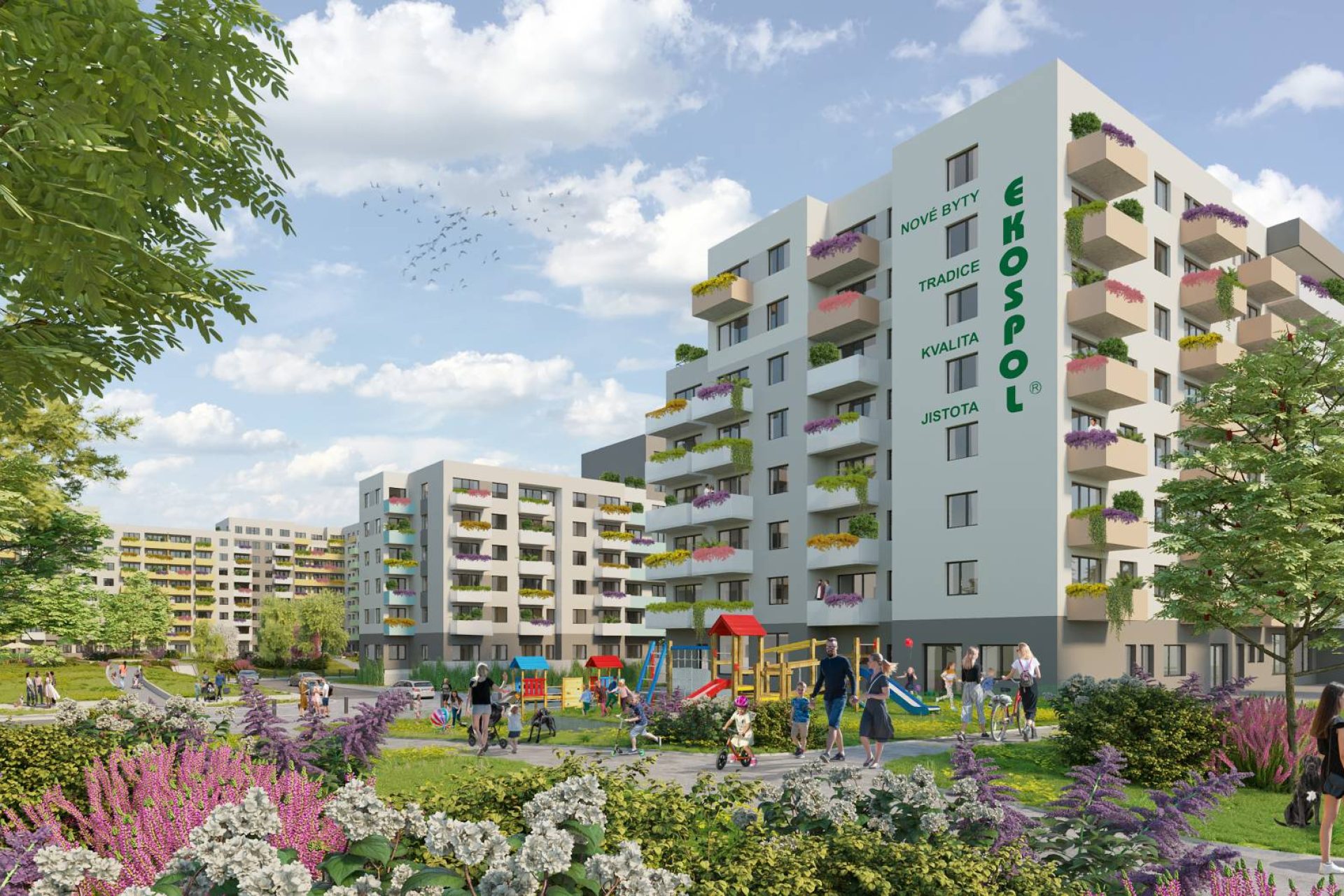
Noise, sunlight and views from your future apartment can be verified before purchase, even if the building only exists on paper. The basis is a combination of three steps: requesting specific documentation from the developer (acoustic report, daylight and sunlight study, surrounding buildings), visiting the site in person at different times of day, and having the parameters that matter to you written into your contract. Visualisations in the marketing brochure are not sufficient for assessment.
Why address these three features in advance
The layout, fittings or finishes of an apartment can be adjusted after moving in. Noise from the surroundings, orientation to cardinal directions, and views cannot be changed. These factors significantly affect how you will live in the apartment every day. With a new build, the situation is particularly complex: the surroundings are often not yet complete, so the current calm on the construction site may not reflect the future state. Similarly, an empty meadow in front of the building could be developed within years.
Those buying in an early phase of construction must rely mainly on documents and the development plan. Those buying a finished apartment can verify most things on site. In both cases, it is important to have key parameters in writing.
Noise: what to find out from documents and what to check on site
Noise sources in new builds follow a pattern. Typically these are roads, tram or railway lines, aircraft operations, restaurants, schools or playgrounds, as well as technology within the building itself, such as lifts, garage doors or ventilation systems.
What to request from the developer
- An acoustic report or at least information on whether one was prepared, and for which facades and floors.
- Information about windows – what sound insulation is specified and whether it differs for street-facing facades.
- Site plan of the surroundings: where the access road will run, where the garage entrance is, waste management and technical rooms.
- Information about planned development in the area, including any planned commercial or transport infrastructure.
What to check on site
Visit the site in the morning during rush hour, in the afternoon, evening and at weekends. Stand where the bedroom window and balcony will be, not just at the entrance to the sales office. If possible, ask residents of neighbouring buildings what disturbs them. When visiting a completed building, try opening and closing the window and compare the difference.
Remember that noise levels are often different on higher floors than on the ground floor: sound from the street travels further, but surrounding greenery and fences may no longer dampen it.
Sunlight: documentation and your own checks
Sunlight depends on the orientation of the apartment, the height of surrounding buildings, window size and shading from a balcony or loggia above. South-, east- and west-facing windows have different characteristics: east-facing provides morning light, west-facing provides afternoon light and can cause overheating in summer, south-facing gets sun for most of the day.
- A daylight and sunlight study – in apartment buildings this is usually prepared as part of the design documentation. Ask whether the developer can show you it and specifically for your apartment.
- Floor plan with cardinal directions marked – confirm which rooms face which direction.
- Shading – find out whether blinds, external shutters or other shading are included in the building, and whether they can be added.
- Surrounding buildings – check whether a taller building is planned in the neighbourhood that could cast a shadow on your apartment.
On site, a simple compass app or a map showing cardinal directions will help. The sun moves low in winter and high in summer, so the same apartment has different levels of light at different times of year. If you are buying outside the summer months, request a study that also simulates winter conditions.
Views: what is certain and what may change
The view from your windows is the least reliable of these three factors because it depends on what will be built around you. A view over a park or open space could disappear within years. Conversely, a view over a plot that is permanently protected or designated as green space or public land tends to be more stable.
- Find out how neighbouring plots are designated in the development plan. The plan is publicly available on the municipal or district website, and the planning authority can help you interpret it.
- Ask the developer whether they own neighbouring plots and what they plan to build there.
- Request a visualisation from the height of your specific floor, ideally from your apartment's window, not just a general view of the building.
- Check the view in person – for partially completed buildings, you can often access a similar floor or use a nearby elevated vantage point.
If the view is crucial to you, have an independent expert or property lawyer assess the impact of surrounding development. Marketing promises are not binding unless they are included in the contract.
How to secure what you've verified and where to find more information
Verbal assurances from the seller are not a guarantee. If a particular feature is important to you, such as the orientation of the living room to the south, the type of windows, or the apartment's location away from the street, have it written into the reservation or purchase contract or its appendix. It is advisable to have the contract reviewed by a lawyer specialising in property purchases.
To compare multiple offers, use the project catalogue and browse the location guide, where you can compare the surroundings of different districts. Information on orientation and building surroundings can be found in individual projects and with the developers who are building them. An indicative price overview is available in new-build prices. If you are arranging financing, try the calculator and discuss specific terms with a mortgage specialist. General guidance on the entire purchasing process is available in the buying guide. If you are not sure where to start, you can submit a housing inquiry.
Frequently asked questions
Am I entitled to see an acoustic report before signing the contract?
You do not generally have a legal right to every study, but you can request it from the developer. If they refuse to provide even basic information about noise in the area, that is cause for caution. Have your specific rights verified by a lawyer.
Is it better to buy a higher floor for quiet and views?
Not always. Higher floors usually have better sunlight and views, but traffic noise can still reach them. The location of the building, the orientation of the apartment and surrounding development matter, so evaluate each apartment specifically.
What if the surroundings change after I buy and the view disappears?
If the view was not guaranteed in writing, you typically have no legal claim to it. That is why it is important to verify the development plan and the developer's and municipality's intentions beforehand, and to consult a lawyer if necessary.
Prices are in Czech crowns (CZK) as published by developers; please verify current availability with us. Some linked pages (calculator, developer profiles) are only in Czech.
Find a new build within your budget
See the results right away, no contact details needed.
Looking for a new-build home in the Czech Republic?
Tell us what you are looking for. A specialist will send you a personal selection of projects within 24 hours, check current availability with the developer and arrange viewings. Free and without obligation.